







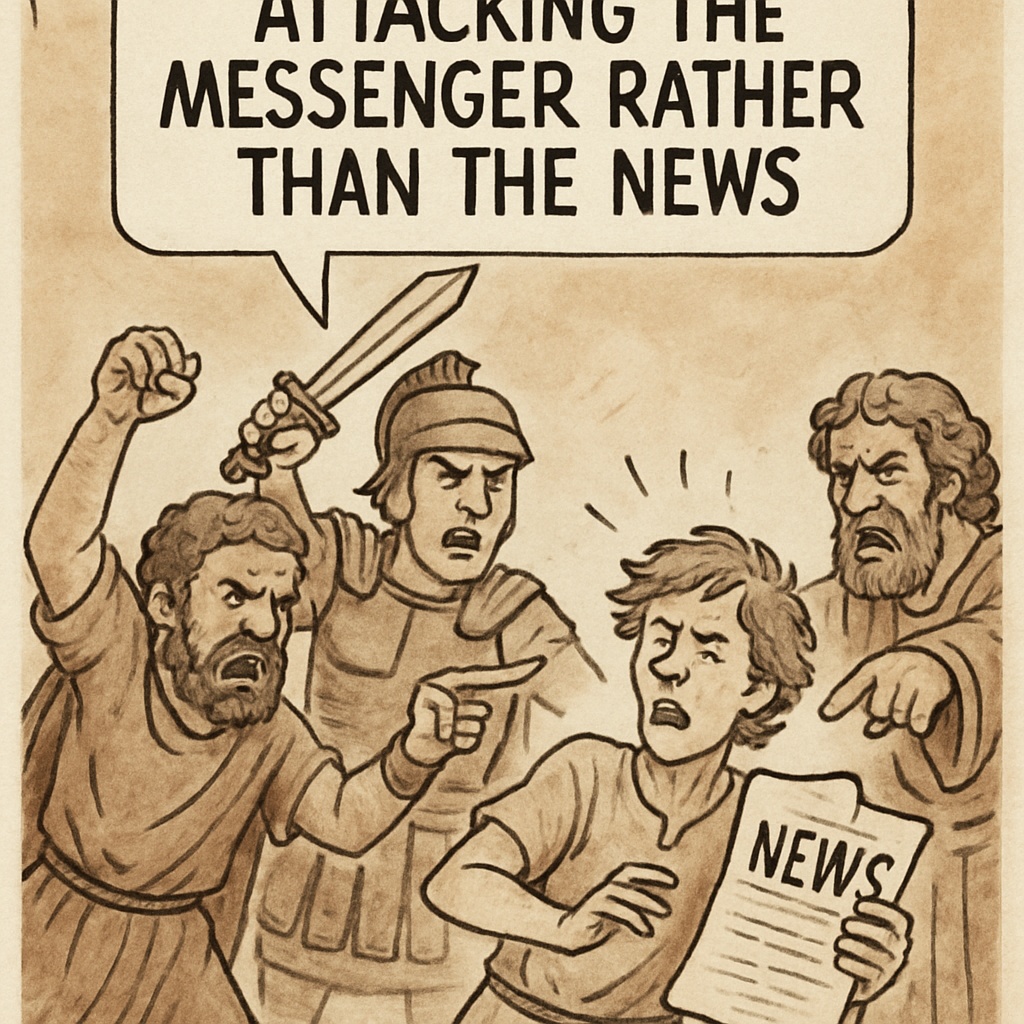






















Have you ever had that awkward moment where you realize you and someone else are having completely different conversations without knowing it?
I remember sitting in a pub in Shoreditch a few years back with two groups of friends who’d never met before. One set from my university days, the other from back home near Manchester. The conversation turned to careers, and my mate from home mentioned proudly that his daughter had just landed a job at the local council. “Proper job for life, that,” he said.
The silence from my London friends was deafening. Not rude, just confused. To them, a council job was something you took while figuring out your “real” career path. To my friend, it represented the pinnacle of stability and success his family had worked generations to achieve.
That moment stuck with me because it revealed something deeper than just different career preferences. These were two groups of decent, intelligent people who literally couldn’t understand what the other valued and why.
After years of straddling both worlds, I’ve noticed these value differences run far deeper than most people realize. They shape everything from how we view work to how we raise our kids, yet neither side typically knows these differences even exist.
Here are eight of the most profound gaps I’ve observed.
1. Security versus optionality
For many lower middle class families, security is the ultimate prize. A steady job with benefits, a mortgage you can afford, knowing exactly what’s coming in each month. This isn’t small-minded thinking. It’s the rational response to growing up where one missed paycheck could mean genuine crisis.
Upper class people often value optionality instead. They’d rather have five different income streams that might dry up than one steady job. They talk about “keeping doors open” and “maintaining flexibility.”
The disconnect happens because each side thinks the other is making obviously bad choices. Lower middle class folks see upper class job-hopping as reckless. Upper class people see the desire for job security as limiting yourself.
Neither realizes they’re optimizing for completely different things based on how much room for error their lives have always contained.
2. The purpose of education
Growing up, education meant one thing in my house: the ticket to a better job. You studied hard, got good grades, and landed stable employment. The subjects themselves were almost beside the point.
But I’ve noticed upper class families often see education as intellectual development first, career preparation second. They genuinely care whether their kids are becoming “well-rounded” or developing “critical thinking skills.”
This creates bizarre misunderstandings. I’ve watched working class parents get frustrated when teachers focus on creativity over test scores. Meanwhile, upper class parents panic when schools are “too focused on employment outcomes.”
Both think education is incredibly important. They just have fundamentally different ideas about what it’s for.
3. Networking versus merit
Here’s something that took me years to understand: upper class people don’t see networking as cheating. To them, relationships are just another legitimate form of capital, like knowledge or skills.
Meanwhile, lower middle class culture often has an almost religious faith in merit. You should get jobs because you’re qualified, not because you know someone. Using connections feels like cutting in line.
I’ve watched talented people from working class backgrounds refuse to leverage relationships that could transform their careers because it feels wrong. At the same time, I’ve seen upper class people genuinely baffled why anyone would hesitate to call in a favor.
Both sides think they’re being ethical. They’re just operating from completely different assumptions about how the world should work.
4. Money talk and financial transparency
In lower middle class families, talking about money is often surprisingly open. People know what everyone makes, who’s struggling, who got a raise. Money is a shared concern that requires collective problem-solving.
Upper class culture treats money talk as almost obscene. You’d sooner discuss your sex life than your salary. This isn’t just politeness. It’s about maintaining social harmony when money differences could create awkwardness.
This creates painful confusion. Lower middle class people often think upper class folks are being secretive or superior when they won’t discuss finances. Upper class people think direct money talk is crude or invasive.
I’ve seen friendships founder on this difference, with neither side understanding what they did wrong.
5. Time versus money trade-offs
When you grow up counting every pound, time becomes something you’ll trade for money. Working overtime, taking second jobs, doing your own repairs. Time is the resource you have; money is what you need.
Upper class people often make the opposite trade. They’ll pay for convenience, outsource tasks, buy back their time. To them, time is the scarce resource.
Watch the confusion when someone from a lower middle class background sees a friend pay for grocery delivery. “But the shop is right there!” Meanwhile, the upper class person can’t understand why anyone would spend Saturday fixing their own car when mechanics exist.
Both strategies make perfect sense. They’re just solving for different scarcities.
6. The meaning of ambition
Ambition in lower middle class families usually means moving up to the next rung. Teacher to head teacher. Nurse to ward manager. It’s about progression within existing structures.
Upper class ambition often focuses on creating something new or reaching the very top of prestigious fields. It’s not about the next rung; it’s about switching ladders entirely or building your own.
This difference creates real tension. Lower middle class families worry that their kids are being unrealistic, while upper class families panic that their children lack vision.
Same word, completely different meanings.
7. Community versus independence
Growing up, if someone in our street was struggling, neighbors noticed and helped. Not out of exceptional kindness, but because everyone understood they might need the same help tomorrow. Community was survival.
In contrast, upper class culture often prioritizes independence and privacy. Success means not needing anyone, handling your own problems, maintaining boundaries.
This leads to heartbreaking misunderstandings. Lower middle class people offer help and feel rejected when upper class friends insist they’re “fine.” Upper class people feel suffocated by what seems like intrusion into their personal business.
Both value systems work in their contexts. But when they collide, everyone ends up feeling judged.
8. Risk and entrepreneurship
The lower middle class relationship with risk is complex. People are often incredibly resourceful and creative, but within limits. Starting a small business? Maybe. Quitting your job to pursue a startup? That’s madness.
Upper class culture often celebrates risk-taking, especially entrepreneurial risk. Failure is a learning experience, not a catastrophe. There’s usually a safety net, even if it’s never explicitly acknowledged.
I’ve watched brilliant people from working class backgrounds turn down opportunities that could change their lives because the risk felt existentially threatening. Meanwhile, upper class peers couldn’t understand the hesitation. “What’s the worst that could happen?”
The worst that could happen depends entirely on how far you have to fall.
The bottom line
These differences aren’t about intelligence or character. They’re rational responses to different circumstances, transmitted across generations in ways we barely notice.
The real tragedy isn’t that these differences exist. It’s that we don’t know they exist. We judge each other’s choices without understanding the values behind them. We talk past each other, each side thinking the other is being deliberately obtuse.
Class gets ignored too often as a way of understanding what’s happening in our society. We’re comfortable talking about cultural differences between countries but squeamish about acknowledging them between classes in our own nation.
Maybe if we recognized these value differences, we could have more honest conversations about inequality, opportunity, and what success really means. At minimum, we might stop assuming everyone who makes different choices is either stupid or selfish.
They might just be optimizing for a different world than the one you know.