



































Started in 1976, KKR, with $744 billion in AUM, has deployed more than $13 billion in India in the last 20 years. Of this, about $9 billion was committed in the last five years alone.
Also read: The quality of what I’m seeing here in India is starting to be as good as many in the US: Henry Kravis
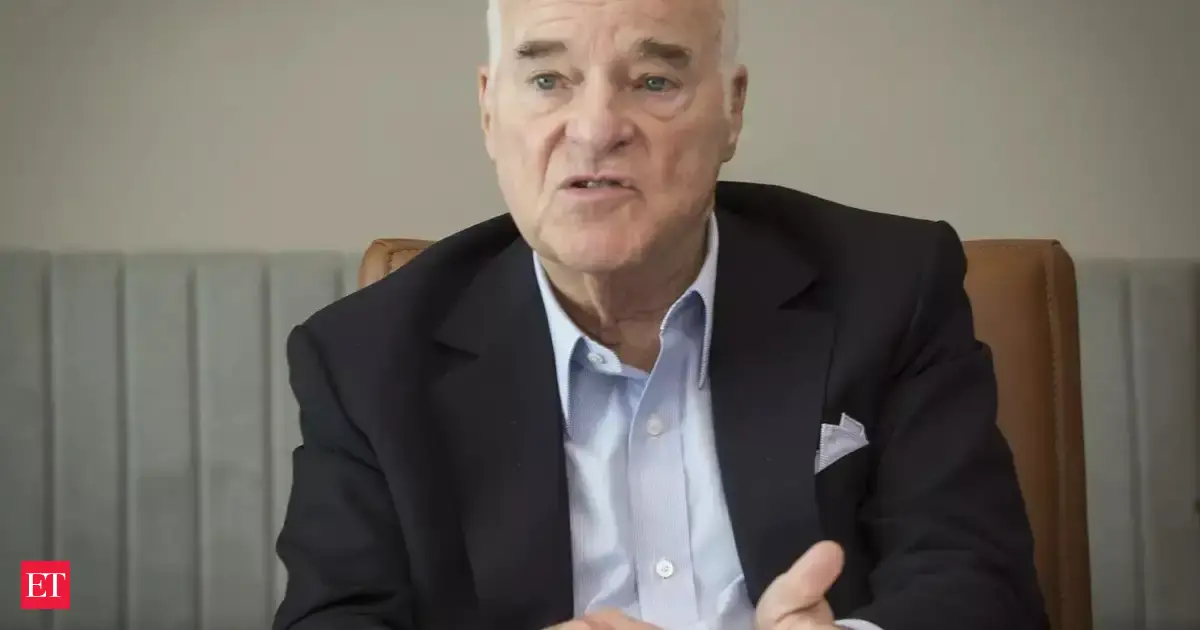
“Going by our commitment to India, I won’t be surprised if we deploy $20 billion in the next decade,” cofounder Henry Kravis said in an interview. “The quality of what I’m seeing here in India is starting to be as good as many companies in the US, which has had the benefit of time.”
From a legacy private equity outfit, KKR has doubled down on infrastructure investments and relaunched its private credit business in India. “Directionally, we are getting more and more active, investing more, and getting deeper across strategies within India,” said Gaurav Trehan, co-head of KKR in Asia Pacific.
Kravis, 82, is especially buoyant on the prospects of private credit in India. Last June, KKR financed the Manipal Group to the tune of $600 million–its largest credit investment in the country–to help accelerate its corporate expansion and growth objectives. With a bankruptcy law “that is evolving and becoming more robust every year,” Kravis is confident that private credit will become a trusted source of capital for Indian enterprises, especially small and medium companies.
“You were a bank market before but now India finally is getting into a broader and deeper corporate bond market,” he said. “If you don’t, it will stymie growth. Your companies need to grow if you are looking to create 20 million jobs annually.” Globally, these businesses are the real employment generators.
“They grow and become bigger,” Kravis said. “They cannot do that unless they have capital and that’s why developing the corporate bond market is such an important piece.”
In India to celebrate the firm’s 50th anniversary, Kravis met Prime Minister Narendra Modi as well as young entrepreneurs. His prescription for policymakers?
“The biggest issue as I see it as an outsider is the lack of financing for small and medium-sized companies,” he said. “That’s the one missing piece that needs to be taken care of and I think private credit can start to fill that gap because banks are not as active in that space. Small and medium-sized companies have real trouble getting money outside.”