


























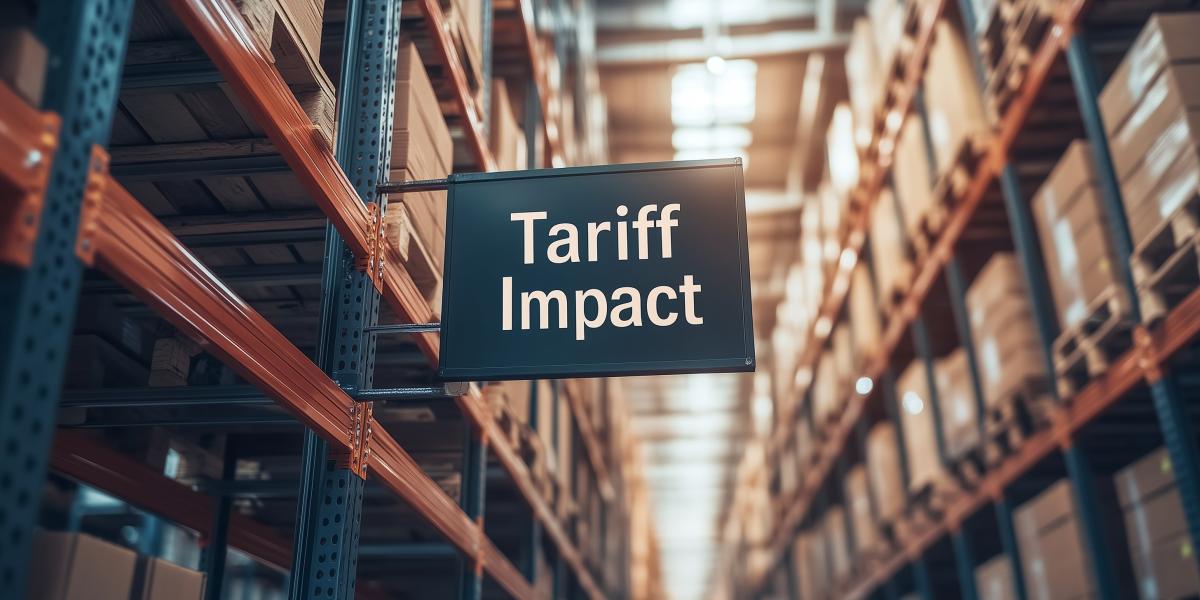
When Prime Minister Mark Carney reduced tariffs on Chinese goods from a staggering 100 percent to a modest 6.1 percent this week, he performed a rare feat in modern governance: He removed a punitive tax on his own citizens and allowed prices to tell the truth. This was neither a geopolitical concession nor a diplomatic gamble; it was a clinical correction of a policy that had become economically self-destructive. While protectionism dresses up market distortion as patriotism, Carney’s repudiation of these barriers restores the capacity of prices to deliver real, measurable gains to the lives of ordinary people.
Clearing a Common Misconception
A persistent fallacy in the politics of trade is the notion that “foreigners pay the tariff.” If that were true, a nation could become infinitely wealthy by simply imposing an x-percent tariff—the ultimate free lunch. To suggest that a tax on imports is a bill paid by the exporter is an economic lie that borders on absolute imbecility.
In reality, tariffs are a forced transfer of wealth from the many to the few, paid for by domestic families, local shops, and taxpayers. Economic theory and historical practice confirm that trade barriers do not protect the national pie; they shrink it. The objective of sane policy should be to expand the table so that all may eat, honoring the principles of open exchange rather than reshuffling remaining slices in ways that injure the public interest.
Prices as a Quiet Pay Raise
A 100 percent tariff is functionally a ban wearing the mask of taxation. It doubles the price of a good by decree, forcing families to either pay a “loyalty premium” or forgo the product entirely. By lowering that barrier to 6.1 percent for a quota of 49,000 vehicles, Carney effectively handed every consumer a massive increase in purchasing power.
This is not ideological rhetoric, but arithmetic, logic, and compassion. People do not live on nominal wages; they live on what their income can actually buy. Lower consumer prices serve as a universal pay raise—one that requires no application and never expires. It is a gift to middle- and lower-income households, for whom the cost of basic goods governs the quality of life. This effect is diffuse and immediate, reaching far deeper into the kitchen-table reality of the home than the narrow, fragile gains promised by protectionism.
Trade Is Between People, Not Flags
Critics who frame trade as a contest of nations mistake the heart of exchange. When a foreign firm sells in a domestic market, it does not “steal” national wealth; it provides value, invites connection, and builds a foundation for lasting peace. It replaces the old impulse of conquest with the modern grace of cooperation—ensuring that our growth is not won at the expense of our neighbors, but alongside them.
The zero-sum intuition—that one country’s gain must be another’s loss—collapses under the reality of mutual benefit. No one is made poorer because someone else produced something with care and sold it voluntarily. The true metric of national success is human welfare: incomes adjusted for cost, access to variety, and the freedom to invest in new opportunities for the next generation.
The Hidden Cost of Protection
Protectionism’s appeal is purely political, but its consequence is economic incapacitation. Tariffs shield inefficient firms and discourage the very innovation that moves humanity forward. When a company is insulated from rivals, it loses the urgent incentive to improve. It becomes stagnant, eventually becoming paralyzed by the very shields intended to save it.
Carney’s approach invites an economy to be honest, rational, and resilient. While the pressure of global competition can be uncomfortable, it is the only known cure for institutional lethargy. Protectionist tariffs attempt to “save” jobs by locking capital into the past; Carney’s move moved toward the kind of economic strength that comes from being the best, not the most protected.
Freedom, Markets, and Human Agency
At its core, this is a restoration of the fundamental right to participate in the world. True capitalism is the sacred architecture of human agency—a vital order predicated on the freedom to associate or disassociate, to express value or withhold it, and to trade or boycott according to one’s own conscience.
It is this very liberty that fosters the peace, legitimacy, and abundance essential for our collective progress. By lowering these barriers, Carney has replaced arbitrary unpredictability with the spark of human ingenuity and organic stability.
Conclusion
Ultimately, eliminating tariffs is a submission to a fundamental truth: the wealth of a nation is found not in the height of its walls, but in the wisdom of its actions, the depth of its connections, and the sovereign freedom of its people to build a fairer, healthier, and wealthier future together.