






























Add Silicon Canals to your Google News feed. 
The smell hits you before you even open the door. That rich, warm aroma of garlic and herbs mixing with something deeper, something that makes your stomach growl even if you just ate lunch. It’s the same smell that filled our house every single Sunday growing up, and now, years later, it still has the power to bring us all back to my mother’s kitchen table.
My mother discovered her famous one-pot chicken and rice sometime in the early 2000s, when she was juggling her job as a high school guidance counselor with raising two kids. She needed something that could simmer away while she graded college application essays, something that wouldn’t require constant attention but would still taste like she’d been cooking all day. What she created became so much more than dinner. It became our anchor point, the thing that pulls us together no matter how scattered our lives become.
The magic isn’t in the recipe
Here’s what I’ve learned after years of trying to recreate this dish in my own kitchen: the ingredients are embarrassingly simple. Chicken thighs, rice, onions, garlic, bell peppers, and a handful of spices that you probably already have in your pantry. My mother uses paprika, cumin, and a bay leaf. Sometimes she throws in whatever vegetables are starting to look sad in the crisper drawer.
But when I make it, something’s missing. The flavors are there, sure, but it doesn’t have that same pull. It doesn’t make my younger brother drive forty minutes across town on a Sunday when he could easily order takeout. It doesn’t make me rearrange deadlines to be there at six o’clock sharp.
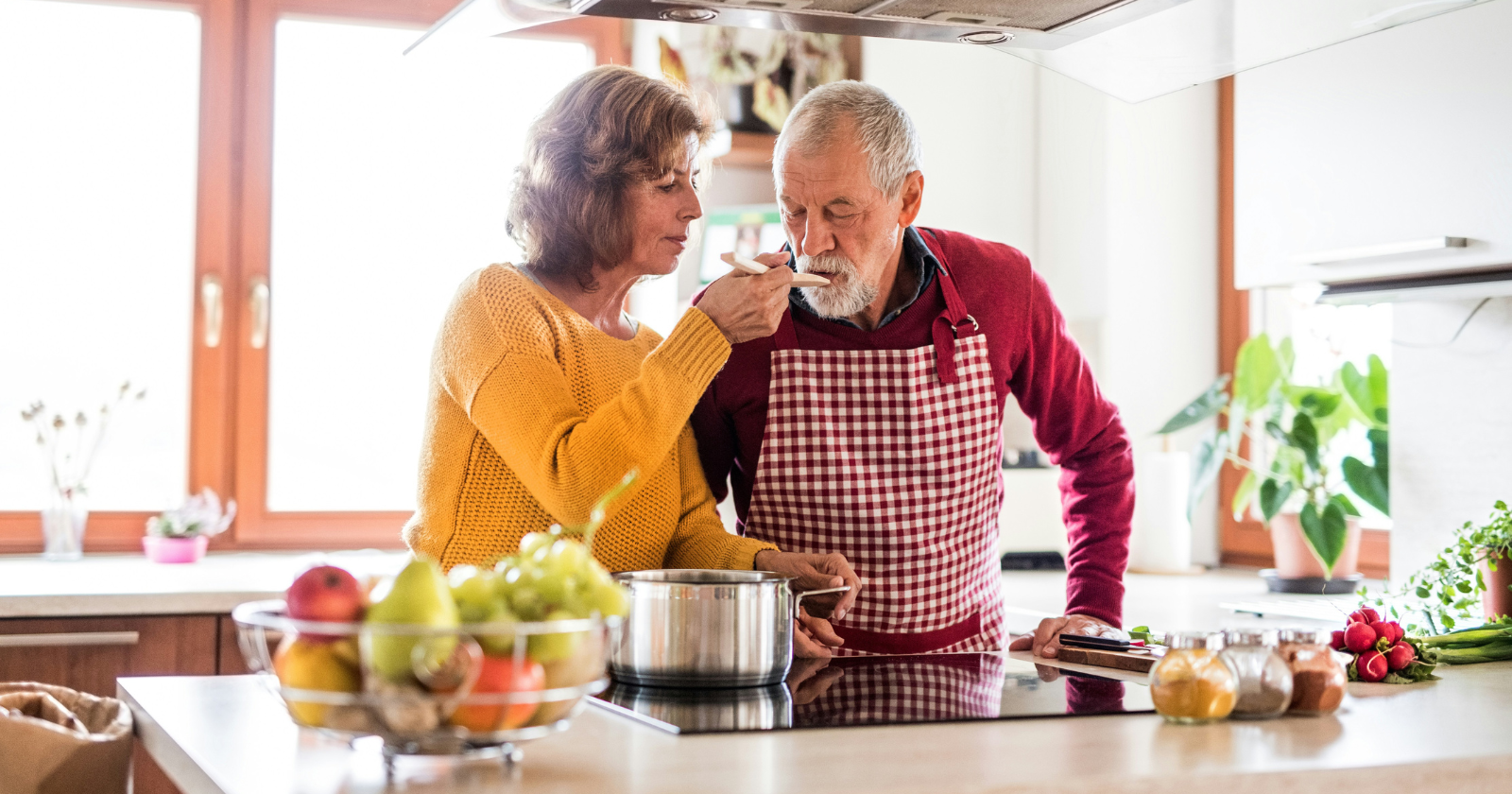
What makes this dinner special isn’t the combination of ingredients or even the cooking method. It’s the ritual around it. The way my mother starts prepping at four o’clock, calling me while she chops onions to catch up on the week. The way the whole house gradually fills with that smell, building anticipation. The way we all know that by six-thirty, we’ll be sitting around that same wooden table, phones tucked away in another room, actually talking to each other.
Why one-pot dinners bring people together
There’s something about a meal that cooks itself that creates space for connection. While that pot simmers on the stove, my mother isn’t frantically juggling multiple pans or timing different dishes to finish simultaneously. She’s sitting at the kitchen counter, maybe working through some guidance counselor paperwork, but really just being present while the magic happens in that single pot.
I’ve noticed this in my own life too. When I discovered baking during a particularly stressful period, I loved how it demanded my full attention. You can’t check email while kneading dough. You can’t multitask your way through measuring ingredients. But one-pot dinners offer something different. They give you time. Time to set the table properly. Time to open a bottle of wine and actually taste it. Time to ask real questions and give real answers.
My brother, who works in software engineering and used to tease me about my writing career not being “real work,” now shows up early to help set the table. We’ve had some of our best conversations while that pot bubbles away, talking about everything from tech layoffs to whether our mother will ever stop sending me articles about “promising careers in healthcare.”
The Sunday ritual that survived everything
This tradition has survived college, first jobs, relationships, breakups, and even a pandemic. When we couldn’t gather in person, my mother would make the dish and drop portions at our doorsteps, and we’d eat together over video calls. It wasn’t the same, but it was something.
What strikes me most is how this simple dinner has become our family’s North Star. In a world where we’re all constantly pulled in different directions, where a typical evening can disappear into the black hole of “just checking one thing” on our phones, this Sunday dinner forces us to stop. To show up. To be present.
Every Sunday morning, I call my mother. We talk about the week, and I usually end up explaining some tech news story that’s been making headlines. She tells me about her students, their college dreams and dramas. And always, before we hang up, she reminds me: “Dinner’s at six.” As if I could forget. As if any of us could forget.
Creating your own anchor meal
You don’t need my mother’s exact recipe to create this kind of magic in your own family. What you need is consistency, simplicity, and the commitment to protect that time like it’s sacred. Because it is.
Choose something that doesn’t require perfection. One-pot meals are perfect for this because they’re forgiving. Too much liquid? Let it cook longer. Not enough spice? Add more. The food becomes the excuse to gather, not the main event.
Pick a day and stick to it. For us, Sundays work because they’re already a natural pause in the week. But maybe for you it’s Wednesday, a bright spot in the middle of the work week. Or Friday, a celebration of making it through.
The hardest part isn’t the cooking or even the scheduling. It’s the commitment to putting everything else away. My partner and I now eat dinner most nights with our phones deliberately placed in another room, a habit that started because of these Sunday dinners. We learned that the emails will wait. The notifications don’t actually need immediate responses. But these moments around the table? They’re fleeting.
Final thoughts
That one-pot dinner my mother makes isn’t about the food, though the food is undeniably good. It’s about creating a rhythm in our lives that says: this matters. We matter. Being together matters.
In a few hours, I’ll head to my mother’s house. The familiar smell will greet me at the door. My brother will already be there, probably explaining some coding problem to our mother while she nods and stirs the pot. We’ll sit down at six-thirty, like we have hundreds of times before, and for that hour or two, everything else can wait.
This is what the best family traditions do. They don’t ask for much, just for you to show up. And in showing up, week after week, year after year, you build something that no amount of money could buy: a foundation that holds you steady no matter how chaotic life gets.