
































The global financial landscape shifted dramatically in early 2025 as investors around the world began reevaluating their relationship with U.S. assets.
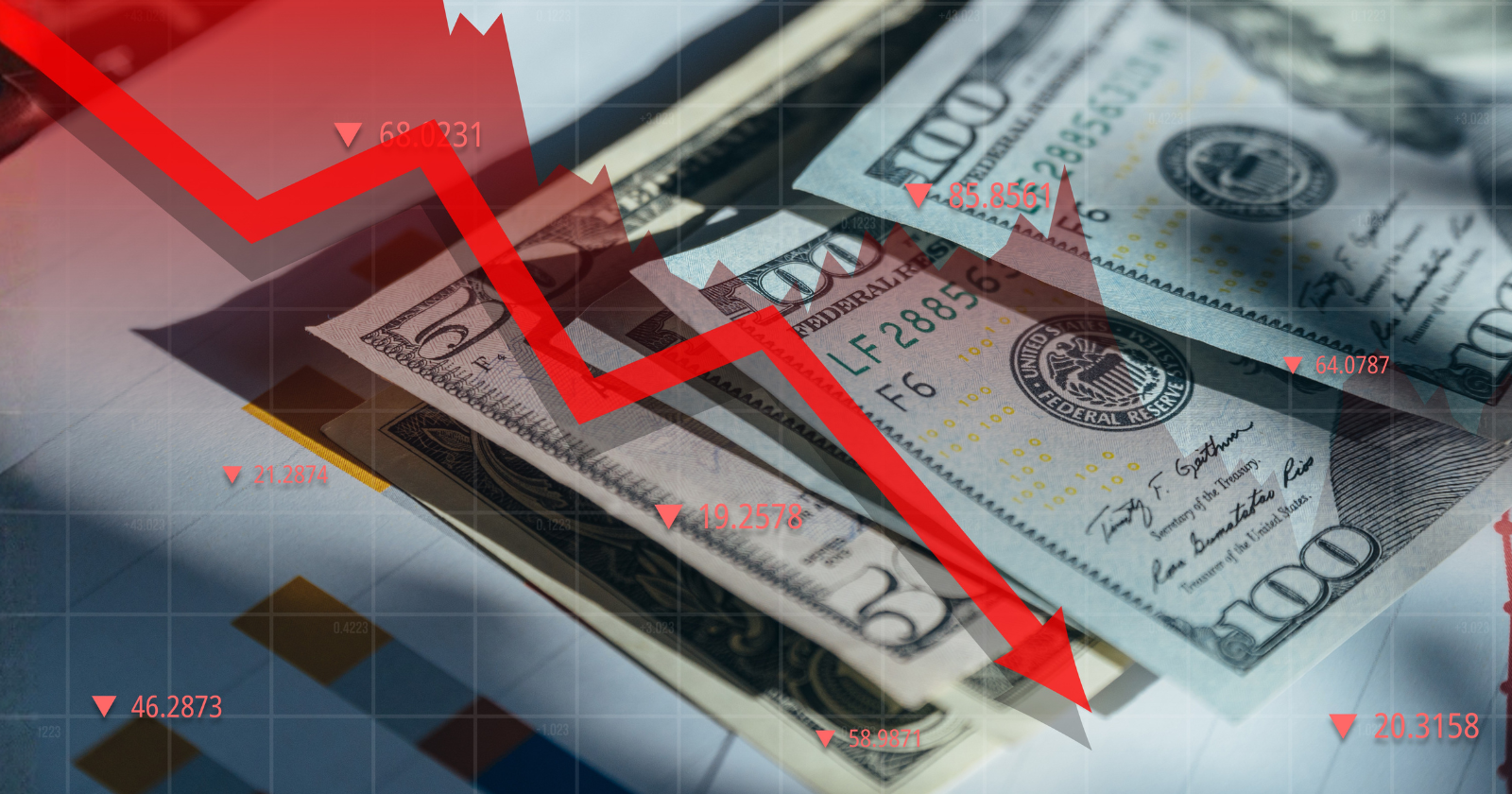
The U.S. dollar plummeted to three-year lows while Treasury bond yields surged to levels not seen since last summer, signaling an unprecedented loss of confidence in assets that have long served as the bedrock of the global financial system.
The turbulence reached a crescendo in April 2025 when the 10-year Treasury yield briefly topped 4.5%, up sharply from 3.99% just one week earlier. During the same period, the ICE U.S. Dollar Index hit its lowest level in three years. Even more alarming, this sell-off occurred simultaneously with declining stock prices, a rare trifecta that market analysts say has only happened 13 times since 1970, with 2025 marking the first such occurrence since 1981.
The catalyst for this turmoil stems largely from President Donald Trump’s aggressive tariff policies, particularly his “Liberation Day” announcement that imposed sweeping duties on all trading partners. The administration’s escalating trade tensions, combined with threats over Greenland and erratic policy signals, triggered what market participants dubbed the “Sell America” trade.
This phenomenon represents a fundamental shift in investor psychology, as traditionally safe-haven assets like Treasury bonds failed to provide their customary refuge during market stress.
The unraveling of American exceptionalism
For decades, U.S. assets benefited from what economists call “American exceptionalism,” the belief that the United States economy possessed unique strengths that justified premium valuations. This perception rested on technological dominance, institutional strength, and economic resilience that made U.S. stocks, bonds, and the dollar attractive to global investors regardless of conditions elsewhere in the world.
That narrative now faces serious challenges. The protectionist trade policies, combined with concerns about fiscal sustainability and political unpredictability, have eroded confidence in U.S. economic leadership. As Deutsche Bank strategist George Saravelos observed in April, markets were reassessing the structural attractiveness of the dollar as the world’s reserve currency and undergoing a process of rapid de-dollarization.
The breakdown in traditional market relationships proved particularly unnerving. Normally, when stocks fall, investors flee to the safety of Treasury bonds, driving yields down and the dollar up. Instead, both Treasuries and equities declined together, while the dollar weakened sharply against safe-haven currencies like the Japanese yen and Swiss franc. This counterintuitive behavior suggested that investors no longer viewed U.S. assets as reliable havens during turmoil.
Foreign investors reconsider their exposure
The question of whether foreign governments are actively dumping U.S. Treasuries remains complex and somewhat murky due to reporting lags in official data.
While some analysts initially speculated that China might be weaponizing its Treasury holdings as a retaliatory measure, the evidence remains mixed. State Street Global Advisors research suggests that rather than a wholesale exodus, what we’re witnessing represents tactical portfolio adjustments combined with reduced structural demand.
Major foreign holders like Japan and China have indeed pared back their holdings in recent years, though not necessarily in dramatic fashion. More significantly, the prospect of narrower U.S. trade deficits resulting from tariff policies could reduce the need for foreign central banks to hold dollar-denominated reserves. Bank of America strategist Meghan Swiber noted that if tariff policies help close the trade deficit as intended, this also reduces the need for foreign buyers to allocate toward USD assets like Treasuries.
The composition of Treasury buyers has shifted notably in recent years. With foreign ownership declining from previous peaks and the Federal Reserve reducing its holdings through quantitative tightening, domestic private investors, particularly commercial banks, have increasingly become the marginal buyers of Treasury debt. This transition makes the market potentially more vulnerable to changes in domestic sentiment and less insulated by the stabilizing presence of long-term foreign official holders.
Implications for American economic power
The erosion of confidence in U.S. assets carries profound implications beyond market volatility. Higher Treasury yields directly translate to increased borrowing costs for the federal government at a time when deficits already remain elevated. If sustained, these higher yields will ripple through the entire economy, raising costs for mortgages, corporate debt, and consumer loans.
The dollar’s role as the world’s reserve currency represents an “exorbitant privilege” that allows the United States to borrow at lower costs than would otherwise be possible. Roughly 60% of foreign currency reserves globally are held in dollars, while over half of all international transactions occur in the currency. This dominance benefits the U.S. economy in countless ways, from lower borrowing costs to enhanced geopolitical leverage.
Yet this privileged status depends fundamentally on global confidence in American stability and leadership. As one London School of Economics professor aptly summarized, U.S. government bonds were once viewed as the rock in a turbulent world, but now the U.S. government has become the preeminent source of turbulence and unpredictability.
Investors seeking alternatives have increasingly turned to gold, which gained 17% in early 2025, outperforming both the dollar and long-dated U.S. government bonds by more than 20 percentage points. While the dollar-based financial order faces no immediate existential threat, the signs of a changing global investment landscape are becoming harder to ignore. The Treasury market remains vast and liquid at nearly $29 trillion, but its status as the automatic safe haven for global capital can no longer be taken for granted.
Whether this represents a temporary sentiment shift or the beginning of a longer-term reallocation of global capital may depend heavily on whether American policymakers can restore confidence in the predictability and sustainability of U.S. economic governance.